
Latest Blog

The North I-35 Growth Corridor: Where Buyers Are Moving in Greater San Antonio
The North I-35 Growth Corridor: Where Buyers Are Moving in Greater San Antonio If you have shopped for a home anywhere northeast of downtown San Antonio recently, you have already touched the North I-35 Corridor,

Why Buyers Are Choosing Stone Oak and North San Antonio
Why Buyers Are Choosing Stone Oak and North San Antonio Stone Oak has been one of San Antonio’s most in-demand districts for years, and in 2026 that demand shows no sign of slowing. Buyers coming
New Construction Homes in Stone Oak and North San Antonio
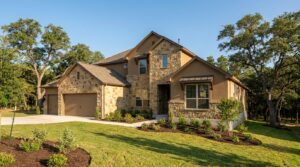
New Construction Homes in Stone Oak and North San Antonio Stone Oak itself has limited new inventory these days. After more than two decades of development, most of the district’s buildable land has already been
Living in Stone Oak, TX: What You Need to Know
Stone Oak is one of the most established and sought-after districts inside San Antonio's own city limits, sitting on the far north side above Loop 1604 along the US 281 corridor. It offers a rare combination for a major metro: big-city amenities, some of the strongest public schools in the region, rolling Hill Country terrain, and a neighborhood that has had over two decades to mature into itself.
Unlike the smaller outlying suburbs on this side of San Antonio, Stone Oak is not a separate town, it is a large, built-out community within the city, which changes how you should think about taxes, schools, and daily life here. This guide covers what actually matters if you are considering a move: location, home prices, schools, and who tends to be happiest living in Stone Oak.
Where Stone Oak Is, and How It Fits Into San Antonio
Stone Oak sits north of Loop 1604 and largely west and east of US Highway 281, roughly 20 to 25 minutes from downtown San Antonio in normal traffic and about 15 minutes from San Antonio International Airport. It began developing in earnest in the 1990s as one of San Antonio's premier master-planned districts, and it has continued growing north toward Bulverde and the Comal County line ever since. Because it is inside city limits, Stone Oak residents pay San Antonio city property taxes rather than a separate small-town rate, and the area is served by the same municipal utilities and city services as the rest of San Antonio, rather than a standalone town government.
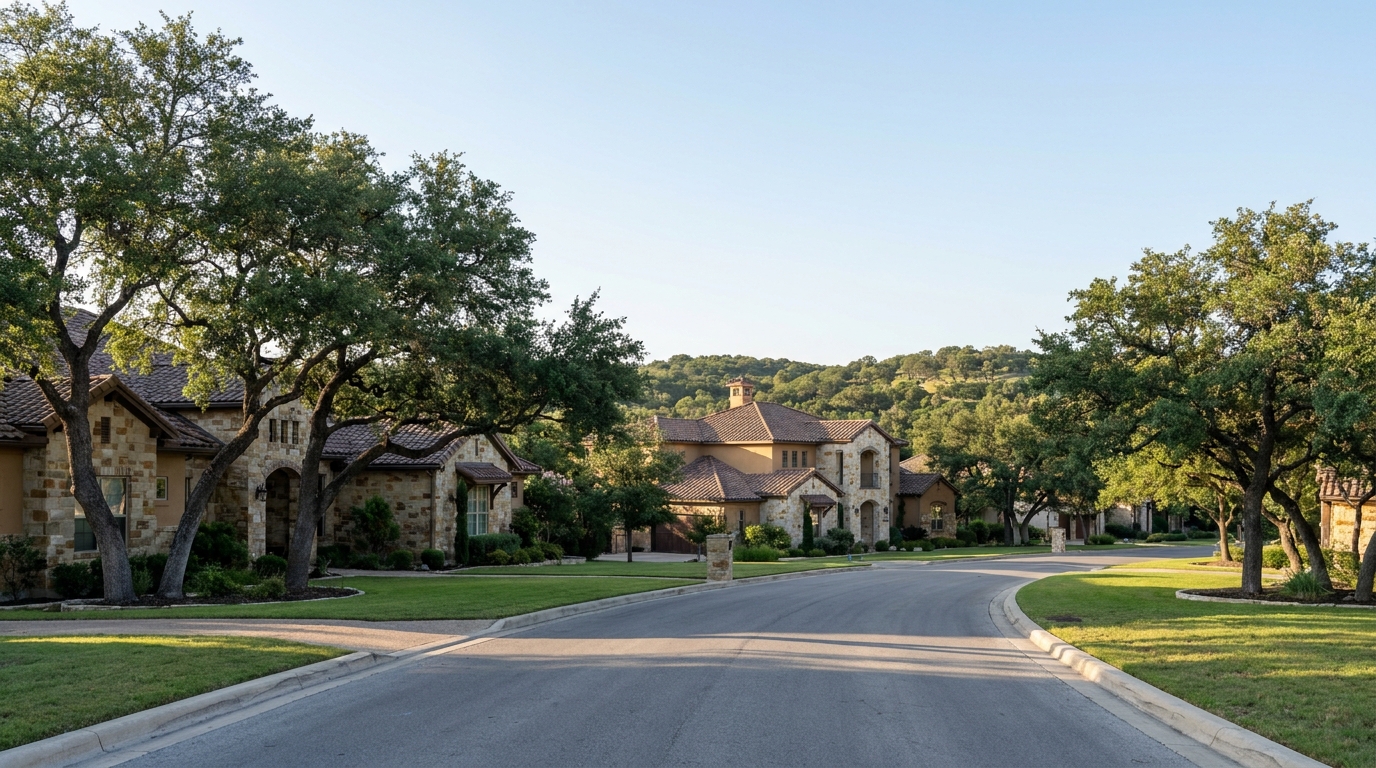
The terrain is a big part of the draw. Stone Oak sits at the edge of the Texas Hill Country, with rolling elevation, exposed limestone, and mature live oaks that give the area a noticeably different feel than the flatter suburbs to the east like Cibolo and Schertz. Major employers and destinations are close by too, including several hospital systems, USAA's north campus, and the Village at Stone Oak and The Rim shopping and dining corridors, which means many residents can handle groceries, healthcare, and dinner out without leaving the area at all.
The Stone Oak Housing Market in 2026
As of mid-2026, the median home price in Stone Oak generally runs between $450,000 and $520,000 depending on the exact data source and the mix of homes sold that month, with price per square foot typically landing between $175 and $210. That places Stone Oak firmly above the broader San Antonio median, which has been tracking closer to $260,000 to $290,000 citywide, reflecting Stone Oak's established schools, larger lots, and limited new land available for further development.
The market here has stayed comparatively resilient. Homes in Stone Oak have generally sold in roughly 65 to 85 days, and analysts covering the broader San Antonio market note that established, land-constrained neighborhoods inside Loop 1604, Stone Oak among them, tend to hold value more consistently than newer suburbs further out, simply because there is limited room left to build competing new inventory. That is good news for long-term owners, though it also means buyers should expect less room to negotiate here than they would find in a fast-building suburb like Cibolo or Marion.
Texas has no state income tax, and Stone Oak carries San Antonio's standard city and county property tax rates rather than the additional MUD or PID assessments common in some newer suburban subdivisions. Always confirm the exact combined rate for a specific property through the Bexar County Appraisal District, and ask about the homestead exemption if the home will be your primary residence.
Schools: North East ISD and the Reagan Cluster
The great majority of Stone Oak is served by North East ISD, the second-largest school district in the San Antonio area, and specifically falls within the Reagan Cluster, feeding from Stone Oak Elementary and other campuses like Hardy Oak Elementary through Lopez or Bush Middle School and into Ronald Reagan High School. Reagan carries an A rating from the Texas Education Agency and was recognized in 2026 by U.S. News & World Report as the highest-ranked non-charter, non-magnet public high school in the greater San Antonio area, a reputation that is one of the single biggest reasons buyers choose Stone Oak over comparably priced neighborhoods elsewhere in the metro.
One important caveat as you move toward the northern and eastern edges of Stone Oak, closer to the TPC Parkway and Bulverde corridor: some of that newer territory is zoned to Comal ISD instead of NEISD, with campuses feeding into Pieper High School rather than Reagan. NEISD attendance zones also do not always follow subdivision boundaries exactly, so always confirm the assigned elementary, middle, and high school for a specific address before writing an offer, rather than assuming based on the general area.
Daily Life, Shopping, and Getting Around
Stone Oak is genuinely convenient day to day. The Village at Stone Oak anchors a large share of the area's shopping and dining, and The Rim and The Shops at La Cantera are a short drive southwest for a wider mix of national retail. Multiple hospital systems, including Methodist Hospital Stone Oak, sit within the district, and the area is home to numerous parks, golf courses, and family-oriented amenities, including access to The Club at Sonterra and nearby Canyon Springs Golf Club. For most residents, day-to-day errands stay entirely within Stone Oak's own retail corridors, which is a real point of difference compared with smaller, less developed communities further out.
Getting around is straightforward via US 281 and Loop 1604, though both corridors see real rush-hour congestion, especially as more of the far north side has filled in over the past decade. Downtown San Antonio runs about 25 to 30 minutes off-peak, with rush hour adding 15 to 20 minutes on a bad day, and the airport is a reliable 15-minute trip most of the day.
Who Stone Oak Is Best For
Stone Oak tends to fit families who want top-tier public schools without leaving San Antonio proper, corporate relocations and professionals working near the medical center or USAA's north campus, and buyers who want an established, land-constrained neighborhood that has already proven it holds its value over time. It also draws buyers who specifically want the Hill Country feel, mature trees, and rolling terrain without the longer commute of Boerne or Bulverde.
If your priority is the newest possible construction or the lowest possible entry price, Stone Oak will feel expensive next to Cibolo or Marion. If school quality, established infrastructure, and long-term value matter more than getting the newest floor plan, it remains one of the strongest options on the north side of San Antonio.