Latest Blog
8355 Falcon Meadow | 4-Bedroom Rental in Converse, TX
8355 FALCON MDW, Converse, TX For Lease Description Photos Marketing Your Home Real Estate Reports for Home Owners, Sellers & Buyers! Maps & Local Schools More $ CLICK FOR CURRENT PRICE 4 BEDROOMS 3 BATHROOMS
Inside Saddle Creek Ranch: Davidson Homes’ New Community in Cibolo, TX
Saddle Creek Ranch Cibolo TX | Davidson Homes New Construction If you’re searching for new construction in Cibolo, Texas, there’s a new community worth putting on your radar: Saddle Creek Ranch by Davidson Homes. I
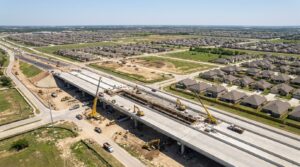
Why the North I-35 Corridor Is One of the Fastest-Growing Areas in Texas
Why the North I-35 Corridor Is One of the Fastest-Growing Areas in Texas Texas has no shortage of fast-growing suburbs, but the North I-35 Corridor between San Antonio and New Braunfels stands out even by
Living in Cibolo, TX: What You Need to Know Before Moving
If you're weighing a move to Cibolo, here's the short version: it's one of the fastest-growing suburbs on the northeast side of San Antonio, prized for newer homes, highly regarded schools, a genuine small-town feel, and quick access to Randolph Air Force Base and the wider San Antonio job market usually at a lower price than you'd pay closer to the city.
The longer version covering commute times, the current market, schools, neighborhoods, and day-to-day life is below, so you can decide whether Cibolo fits before you start touring homes.
Where Is Cibolo, and Why Are So Many People Moving There?
Cibolo sits in Guadalupe County (with a sliver in Bexar County), tucked along the Interstate 35 corridor between San Antonio and New Braunfels. From most Cibolo neighborhoods, you're roughly 20 to 25 minutes from downtown San Antonio, a short hop to Schertz, Universal City, and Selma, and within easy reach of Loop 1604, FM 1103, and FM 78. That location is a big part of the appeal: you get suburban space without being stranded from the city.
The name "Cibolo" traces back to a word for buffalo, a nod to the area's frontier and ranching past, and the town grew up around the old Southern Pacific Railroad line. For most of its history it was a quiet farming community. That changed in the 2000s. Today Cibolo's population sits in the low-to-mid 30,000s and has more than doubled in recent years, making it one of Texas's standout growth stories.
People keep coming for the same handful of reasons: room to spread out, modern homes, strong schools, low crime, and real value compared with neighborhoods closer to San Antonio's core.
The Cibolo Housing Market in 2026
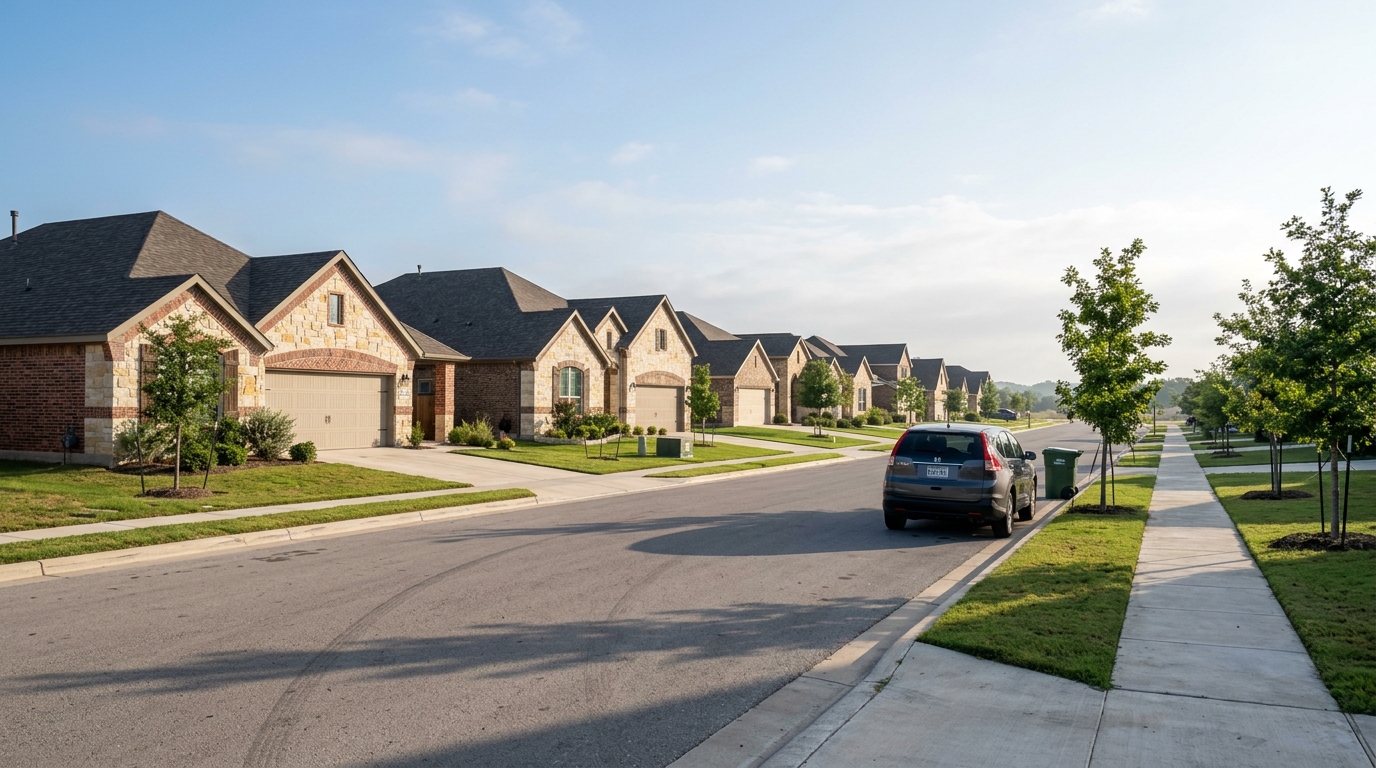
As of mid-2026, the median sale price in Cibolo hovers around $400,000, with most homes landing somewhere between the low $300,000s and the mid-$600,000s depending on size, neighborhood, and upgrades. Price per square foot generally runs in the $155–$180 range. New construction makes up a large share of what's selling, and you'll find established resale homes mixed in throughout the older parts of town.
Here's the good news for buyers: the frenzied seller's market of a few years ago has cooled into something far more balanced. Homes are taking longer to sell, often a couple of months rather than a single weekend, and many are closing slightly under asking price. Builders are competing for buyers with incentives like interest-rate buydowns and closing-cost assistance. If you've been worn down by bidding wars elsewhere, Cibolo right now gives you room to negotiate and time to think.
Schools: Schertz-Cibolo-Universal City ISD
For families, schools are often the deciding factor, and Cibolo is served primarily by the Schertz-Cibolo-Universal City Independent School District (SCUC ISD). It's a fast-growth district of more than 13,500 students spread across about 73 square miles, and it has earned a "B" accountability rating from the Texas Education Agency. Locals consistently name it one of the strongest reasons to buy here.
On the Cibolo side, students typically feed into campuses such as Byron P. Steele II High School (home of the Knights, on FM 1103), J. Frank Dobie Junior High, and Elaine S. Schlather Intermediate, along with elementary schools like Cibolo Valley Elementary a designated Purple Star Campus recognized for supporting military-connected families. One important caveat: school zoning varies street by street, so confirm the exact assigned campus for any home you're serious about before you make an offer.
Best Neighborhoods to Consider
Cibolo's neighborhoods run the full range from budget-friendly to upscale, and most are master-planned communities with HOAs and shared amenities. A few worth knowing:
Daily Life: Amenities, Dining, and Things to Do
Cibolo's small downtown has real charm historic storefronts now home to local restaurants and bars and everyday shopping is easy, with HEB and major retail centers nearby and a couple of movie theaters added as the area has grown.
Outdoors, Cibolo Creek winds through town, and parks like Niemietz Park and Willow Pointe Park, along with greenway trails and active youth sports leagues, give families plenty to do. Community events throughout the year are a big part of what gives Cibolo its tight-knit feel. (The Schertz Public Library serves Cibolo residents, since the city doesn't yet have a library of its own.)
It's worth being honest about the tradeoffs. Cibolo is a car-dependent suburb you'll drive for most errands, and while dining and nightlife are growing, they don't yet rival what you'll find in San Antonio proper, which is where many residents head for a bigger night out. Rush-hour traffic on I-35 and Loop 1604 can also test your patience if you commute into the city daily.
Who Cibolo Is Best For
Cibolo tends to be a great fit for families who want a newer home and strong schools, for military households drawn to the proximity of Randolph AFB and Joint Base San Antonio (and the district's military-friendly campuses), and for professionals who don't mind a manageable commute in exchange for more space and better value than they'd find closer to downtown.
If your priorities are walkability, robust public transit, or an urban nightlife scene, you may find Cibolo a bit too quiet — but for buyers seeking suburban predictability, room to grow, and a real sense of community, it consistently delivers.